
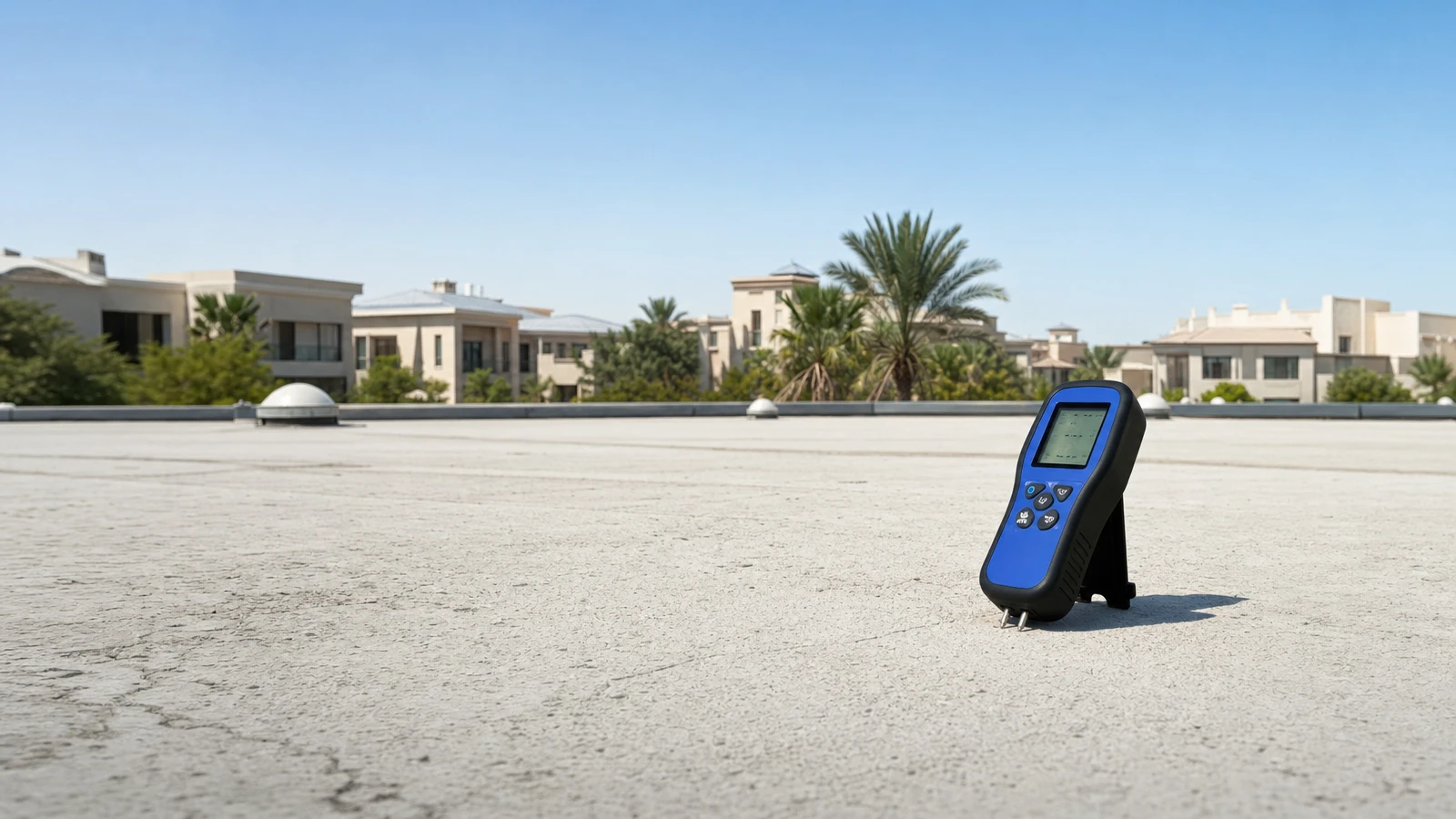
Dubai roof waterproofing costs vary widely. AED 40 per m² buys basic material and minimal prep, while AED 300 per m² covers a full system with quality materials and a workmanship warranty. Understanding these differences can prevent costly mistakes.
Understanding the Low-End AED 15 to 60 per m² Range
When you see a roof quote offering AED 15 to 60 per m², it’s tempting to think you’ve found a bargain. However, it’s crucial to understand what this range actually covers. At its core, this low-end pricing is about cutting corners. It typically includes only the basic material supply and a thin single-coat application. The price tag is attractive, but the service often lacks the essential components that ensure a roof’s longevity and effectiveness in Dubai’s harsh conditions.
- Minimal surface preparation. A low quote often skips the crucial step of properly preparing the roof surface. This means cleaning and repairing any existing damage might not be part of the job. Without a clean, well-prepared surface, even the best materials won’t adhere properly, leading to early failure.
- Basic material supply. The materials provided at this price are generally the cheapest available. They might include acrylic coatings, which reflect heat but are prone to cracking under Dubai’s intense UV exposure. Such materials often fail well before their rated life, resulting in more costs down the line.
- No detailed work. Essential details like sealing around penetrations, parapets, and expansion joints are often overlooked. These areas are common entry points for water, and neglecting them can lead to significant leakage issues.
- Lack of warranty. Low-end quotes typically come with little to no warranty. If problems arise, you’re left covering the costs of repairs yourself. In contrast, a robust warranty from a reputable contractor covers workmanship and offers peace of mind.
These seemingly attractive quotes can be misleading. They often don’t account for the full scope of what’s needed to ensure a roof can withstand Dubai’s climate. The risks associated with opting for the low-end range include frequent repairs, unexpected costs, and ultimately, the need for a complete redo of the work. A roof that’s not properly waterproofed can lead to water seepage, damaging interiors and leading to costly repairs.
The key takeaway is that while the upfront cost might be lower, the long-term expenses can be significantly higher. It’s essential to consider not just the initial price but the quality and comprehensiveness of the work being offered. Proper surface preparation, quality materials, detailed attention to potential problem areas, and a solid warranty are critical components of a roofing project that truly protects your home.
What AED +300 per m² Buys You
A high-end quote around AED +300 per m² buys you a robust roof system designed to withstand Dubai’s harsh climate. Here’s what you’re getting for that price:
- Thorough surface preparation. This step involves cleaning and repairing the existing roof surface to ensure a strong bond with the new materials. Inadequate preparation is a common cause of premature failure, especially in Dubai’s extreme heat, where any missed crack can lead to water seepage.
- Premium materials. Silicone or polyurethane coatings are included at this price point. Silicone is preferred for flat roofs in Dubai because it remains flexible through intense heat cycles and can handle standing water. Polyurethane is even tougher and can withstand foot traffic, but it’s often overkill for residential roofs. These materials are backed by reputable manufacturers like Sika and Fosroc, ensuring their quality and durability.
- Proper detailing. This involves meticulous work around roof edges, joints, and penetrations like pipes or AC units. Proper detailing prevents water from sneaking in at weak points, a critical consideration given Dubai’s rare but intense rainfalls.
- 10-year workmanship warranty. A warranty like this provides peace of mind that the work is done right and will last. At Shield Edge, this warranty remains consistent from the first year to the tenth, requiring only an annual check-in to stay active. It’s a promise that we stand by our work, and it covers any installation issues that might arise.
These elements are crucial because Dubai roofs face unique challenges. The intense sun causes surfaces to expand and contract daily, which can lead to cracking if the materials aren’t flexible. Rain is rare but heavy, and when it falls, it tests every part of the roof’s integrity. Cheaper solutions often compromise on preparation and material quality, leading to leaks and failures much sooner than expected.
For homeowners, understanding what you’re paying for is key. A high-end quote isn’t just about more expensive materials; it’s about the assurance that your roof will perform well under the intense conditions it faces. For more information on what influences roof waterproofing costs in Dubai, see our Roof Waterproofing Cost Guide.
Comparing Material Choices: Acrylic vs Silicone
When choosing a roof coating in Dubai, the decision between acrylic and silicone is crucial. Each material has its own strengths and weaknesses, especially under the intense conditions of the UAE. Here’s how they stack up.
- Acrylic Coatings: The Budget Option. Acrylics are popular for their low upfront cost. They reflect heat well, providing a degree of thermal protection. However, they can struggle with Dubai’s harsh sun. The UV exposure here often leads to hairline cracking well before their rated lifespan. Once cracks appear, water seepage becomes a risk, leading to more frequent maintenance or even premature replacement.
- Silicone Coatings: The Long-Term Performer. Silicone coatings, while more expensive, offer superior durability. They remain flexible even through extreme heat cycles, handling the expansion and contraction that occur with temperature changes. Silicones are also highly water-resistant, making them ideal for flat roofs where water ponding is common. This flexibility and water resistance mean silicone coatings can last longer without the issues of cracking and seepage seen in acrylics.
- Lifespan and Maintenance Needs. Acrylic coatings might need attention every few years, especially in the harsh Dubai sun. Their failure mode is predictable: once the first cracks appear, they often spread quickly. This can lead to more frequent touch-ups or complete recoating earlier than expected. Silicone coatings, on the other hand, generally require less maintenance. Their ability to handle standing water without degrading gives them a longer lifespan, reducing the frequency and cost of upkeep.
- Cost Considerations. The initial cost difference is significant. Acrylic is the cheap default, with market rates as low as AED 15 to 60 per m². Silicone coatings are priced higher, reflecting both material quality and the expertise required for proper application. However, when factoring in the longer lifespan and reduced maintenance frequency, silicone can prove more cost-effective over time.
- Performance Under Dubai Conditions. The intense UV exposure and high temperatures in Dubai can push any roof coating to its limits. While acrylics offer a budget-friendly option, they might not withstand these conditions over the long term. Silicones, with their resilience against both UV and water, provide a more robust solution. This makes them a worthwhile consideration for homeowners looking to invest in long-term roof protection.
The Role of Surface Preparation in Cost
Surface preparation is the backbone of a durable waterproofing system. Without it, even the best materials won’t adhere properly, leading to premature failure. This upfront step often distinguishes a low-cost job from a professional one.
Proper cleaning is the first critical element. Dubai’s dusty environment means roofs accumulate grime and debris over time. Simply applying a waterproofing system over this layer is asking for trouble. A clean surface ensures the waterproofing material bonds effectively, reducing the risk of detachment or cracking.
Crack repair is the next vital step. Any existing cracks or gaps in the roof need attention before new materials are applied. If missed, these become weak points, allowing water to seep in under the new membrane. This seepage can lead to internal damp issues, which are costly to resolve.
The labour involved in surface preparation is not trivial. Workers must manually clean the roof, often using industrial-grade cleaners or pressure washers. They must also fill and seal any cracks with appropriate materials. This process demands time and skill, which factors into the overall cost.
Material costs also play a role. Quality cleaning agents and crack fillers aren’t cheap but are essential for ensuring a long-lasting waterproofing solution. Skimping here to reduce costs often leads to poor results, negating any initial savings.
Thorough surface preparation impacts the quote significantly. A contractor providing a higher quote likely includes comprehensive cleaning and crack repair in their service. This ensures that the waterproofing system performs as intended, offering peace of mind and long-term savings through reduced maintenance and repairs.
In contrast, a low-cost quote often skips or minimises this crucial step. The result is a system that may look fine initially but fails sooner, leading to additional costs down the line. It’s the classic case of “penny wise, pound foolish.”
When comparing quotes, ask detailed questions about the surface preparation included. This clarity will help you understand the true value of the service offered and avoid unexpected costs from future repairs.
Labour and Expertise: Where Costs Vary
The cost of a roof project doesn’t just come down to material choice. Labour quality is a significant factor. Skilled workers, who understand the intricacies of roof waterproofing and heatproofing, cost more than general labourers. But they bring precision and reliability, especially for complex jobs.
When you receive a quote, you’re not just paying for a physical product. You’re paying for the skill and expertise that ensure your roof is fitted correctly, functions as intended, and lasts as long as possible. Let’s break down why this matters.
- Skilled workers versus general labour. Skilled workers are trained specifically for roofing tasks. They know how to handle different materials, solve unexpected issues, and apply techniques that ensure a long-term fix. General labour, while cheaper, lacks this specialised training. This can lead to mistakes or shortcuts that compromise the roof’s integrity.
- Complexity demands expertise. Roofs are not just flat surfaces. They have drains, edges, and equipment that need careful attention. Skilled workers understand how to address these complexities without creating new problems. For example, ensuring that the membrane adheres properly around AC units or drains is crucial. Poor workmanship here can lead to future leakage.
- Long-term reliability. Investing in skilled labour up front can save money over time. A roof that is properly installed and maintained by experts is less likely to develop issues that require costly repairs. This is particularly important in Dubai’s climate, where harsh weather can exacerbate even small faults.
- Attention to detail. Skilled labour involves meticulous attention to detail. This includes ensuring that every seam is sealed, that there are no gaps in the membrane, and that the surface is prepared before application. These details might seem minor, but they are the difference between a roof that lasts and one that fails prematurely.
Choosing a contractor who employs skilled workers might mean a higher upfront cost. But this investment is often justified by the reduced risk of leakage and structural issues. It’s about ensuring quality and protecting your investment in the long term.
In summary, the expertise and skill level of the workers on your project play a crucial role in its success. Opting for experienced professionals helps ensure your roof withstands Dubai’s challenging conditions, providing peace of mind and long-term savings.
Misleading Quotes: Spotting the Red Flags
When comparing roof quotes, the lowest price can be tempting. But it might not be what it seems. A quote that looks too good to be true often is. Here are some signs it might be misleading.
- Vague terms. A quote should clearly state what it covers. If terms like “includes all materials” or “full roof service” appear without specifics, ask for details. Does it include surface preparation, material costs, and labour? A vague quote may hide costs you’ll face later.
- Missing line items. Every quote should itemise costs. Look for line items covering preparation, materials, application, and clean-up. Without these, you might end up with unexpected expenses. For example, surface preparation is crucial for a lasting roof finish, but not all quotes include it. It’s important to understand each element and what’s missing.
- No inspection before quoting. A contractor that quotes without inspecting your roof can’t accurately assess its needs. Shield Edge, for instance, insists on an inspection first. This ensures that quotes are based on actual conditions rather than assumptions. If a contractor skips this step, it’s a red flag.
- Unrealistic promises. Be wary of quotes that guarantee too much, like “lifetime protection” without backing it with solid warranty terms. Genuine warranties, like Shield Edge’s 10-year workmanship warranty, have specific conditions and coverage. If it sounds too good, it probably lacks substance.
- Pressure tactics. Quotes that come with time-limited offers or pressure to sign quickly are suspect. A reputable contractor gives you time to consider your options. Pressure tactics often accompany hidden costs or subpar work.
- Lack of references or reviews. Check for past work examples or reviews. A contractor unwilling to provide this might have something to hide. Reliable companies build trust through transparency and satisfied customers.
Understanding the potential causes of roof issues can also help you assess a quote’s validity. For example, roof leak causes in Dubai often stem from poor previous work. Knowing this helps you ask the right questions about a quote’s scope and detail.
In short, a clear, detailed, and honest quote is vital. It should explain what’s included, exclude hidden costs, and be based on an inspection. Don’t be lured by low figures without substance. Spotting these warning signs can save you from costly mistakes down the road.
Making an Informed Decision
Choosing the right roofing quote isn’t just about the initial price. It’s about understanding what you’re paying for and how it impacts your home over time. A low quote might seem appealing at first, but it’s crucial to consider the long-term benefits and reliability of the materials and workmanship involved.
- Understand the scope of work. Ensure you know exactly what each quote includes. A quote that seems cheap may only cover basic material supply and a single coat application, without any surface preparation or detailing. On the contrary, a more comprehensive quote should outline thorough surface preparation, multiple coating layers, and detailed workmanship.
- Evaluate material quality. Roofing materials vary significantly in performance and durability. Acrylic is a common choice due to its cost-effectiveness, but it may not withstand sustained UV exposure. Silicone, while more expensive, offers better flexibility and water resistance, crucial for Dubai’s climate.
- Consider long-term savings. A higher initial outlay on quality materials and expert installation can save money over time by reducing maintenance needs and extending the roof’s life. This can prevent frequent repairs and potential water damage, which could cost much more than the initial savings from a lower quote.
- Check warranty terms. A robust warranty can offer peace of mind. Shield Edge, for example, provides a 10-year workmanship warranty on roof waterproofing and heatproofing, with conditions that maintain coverage over time. Compare warranty lengths and conditions to see which offers the best protection.
- Look at the contractor’s reputation. A contractor’s track record says much about their reliability and expertise. Research reviews, ask for references, and consider any published case studies. A reputable contractor should provide clear, itemised quotes and be willing to explain their recommendations.
- Balance immediate cost against reliability. Weighing the upfront cost against the reliability of the solution is key. A low-cost option may result in repeated repairs or early replacement, whereas a higher-cost, high-quality installation could provide a worry-free roof for years.
In the end, making an informed decision involves looking beyond the numbers. It’s about ensuring that the investment you make today will protect your home effectively, offering long-term value and security. A thorough understanding of what’s included in each quote, the quality of materials, and the credibility of the contractor will guide you to the best decision for your roofing needs.
Deciding on the right roof waterproofing solution requires understanding the full scope of each quote. Consider investing in quality materials and workmanship for long-term peace of mind.
For a clear diagnosis and honest advice, book a free inspection with Shield Edge. Contact us via WhatsApp or visit our Request an Inspection page.
For comparison, our own rates and what each end of the range actually buys are published on our pricing page.